Decoding biology, made visible.
A marketing plan and short films for Synteny, built so the scientists become known names in the field.
Scroll
A marketing plan and short films for Synteny, built so the scientists become known names in the field.
A London biotech building an AI model of how the immune system recognises disease, trained on its own lab data.
Synteny designs T cell receptors, which can reach the 80 to 90 per cent of proteins inside the cell that antibodies cannot. Its Data Foundry screens up to a million receptor variants in one experiment, and its MANIFOLD models learn from the results and design the next round.
Pharma partners buy access to the platform. They need to trust the data and the science, and the scientists behind both are the company's strongest asset. Right now most people never see them.
Solvent is a documentary studio. We film founders and scientists for Entrepreneurs First, CoreWeave, Dawn Capital and Project Europe, among others.
We follow this technology closely because it interests us. These are the stories we want to tell.
For Synteny we would run the marketing: plan it, make the films, and keep the team visible between papers.
Build awareness with pharma partners, investors and future hires, and stand apart from every other AI biotech.
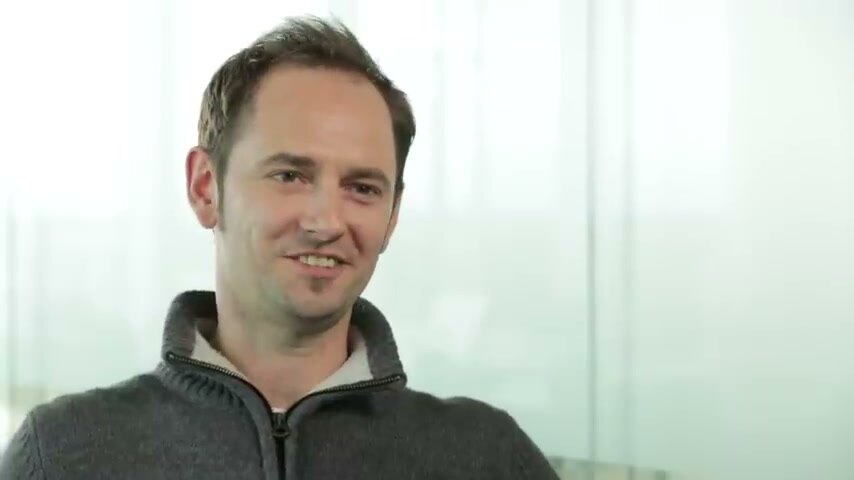
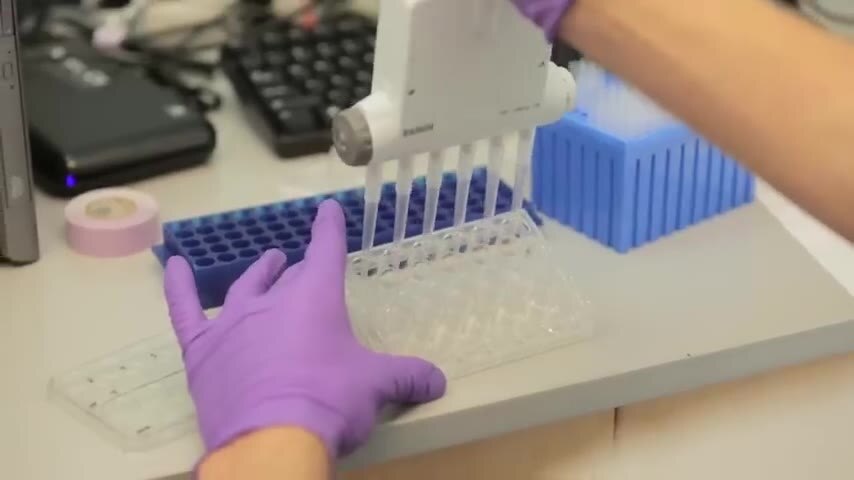
Most of the work happens at a bench or in code. The films show it through the scientists explaining their own work, the lab shot properly, and animation for what the eye cannot see. Leadership appears through talks, podcasts and writing, never presenting to camera.
The tone follows the science: precise, open about what failed, focused on the work. Social carries the films rather than replacing them, and posters reach people where they work. Authority comes from the work, not from stunts.
| Channel | Who it reaches | What goes there | Proposal |
|---|---|---|---|
| Substack and papers | Pharma scientists, investors, candidates | Essays, results including failed experiments, lab notes | A B C |
| Films, YouTube and website | All three audiences | 45 second masters, longer cuts on YouTube and synteny.ai | A B C |
| Official channels: LinkedIn, X and Reddit | Pharma, investors, researchers | Scheduled posts, reposts of the field's best work, film cut-downs | A B C |
| Targeted adverts on X, Reddit and Meta | Named pharma teams and candidate profiles | Paid versions of the best-performing films | B C |
| Posters and flyers in biotech hubs | Pharma business development and scientists | London, Cambridge, Oxford, Boston, San Francisco, Basel and more | B C |
| Conferences, panels and podcasts | Pharma and investors | Talks, panels and podcast appearances for Lilly and the team | B C |
| Partner and investor films | Pharma and investors | Co-released films and posts with partners and backers | C |
| University partnerships and challenges | Students and future hires | Challenges, student collaborations, model access and a film | C |
Synteny's team stays in the lab. We plan, make and run the marketing, with the right specialists for each piece.
Who to reach, where, and what Synteny should be known for, planned around its milestones.
One look and voice across films, posts, adverts and print.
Monthly planning and a weekly check-in. Nothing goes out without sign-off.
Research, scripts and storyboards. We draft, the scientists check the facts.
Shoot days, editing, sound and the animation team.
Directors, animators, photographers and designers, chosen per job and run by Solvent.
Scheduled posts, reposts of relevant work, and adverts, with monthly reporting.
Editing, images and clips, and papers turned into readable posts.
Posts, clips, talks and podcast slots for Lilly and the scientists.
The Substack and the papers are where Synteny already sounds most like itself. Every film, post and talk sends people back there.
Thirteen essays by nine named authors since September 2025, including a published negative result: structure-based models lost to sequence-based ones on binding strength.
We propose a post every fortnight, each with a named author and a clip where it helps. Every paper gets a plain-English post on release day.
Ideas to start from, not a fixed list. Each film is a 45 second master, with a longer cut for YouTube and synteny.ai. The first announces the world model. Most of the others come from Synteny's published work.
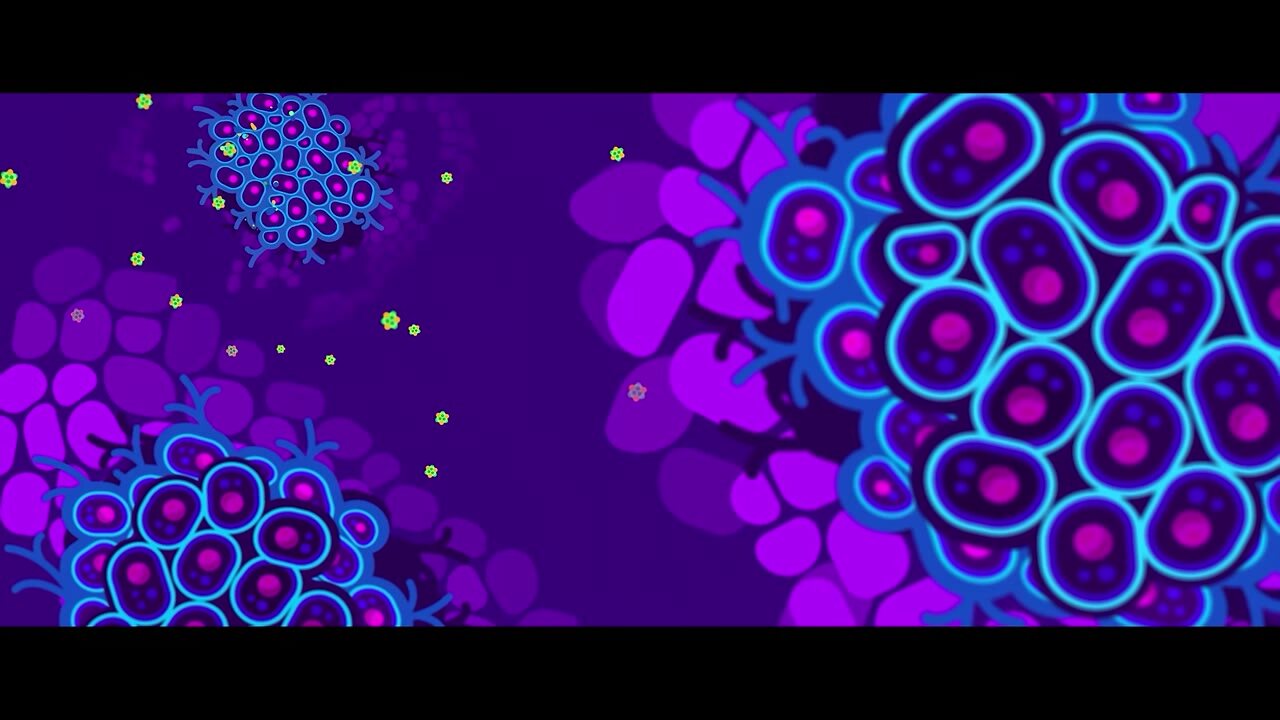
Antibodies reach 10 to 20 per cent of proteins. Receptors can reach the rest. Post
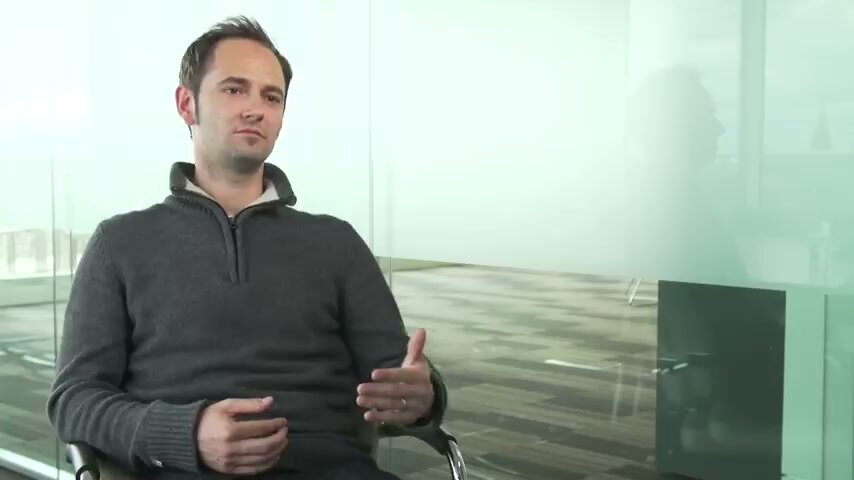
The scientists, where they came from, and why they chose this problem.
Neil leads on camera, with the team seen at work. Lilly appears at talks and seminars, never straight to the lens. The science carries the authority.
One visual system across every film: white and pale green frames, the lab shot like a set, and animation for what the eye cannot see.
Two presences, run together: the company's official channels, and the scientists under their own names.
Separate, but connected. The company publishes, the scientists share and discuss it, and each person's reputation adds to Synteny's. Over time they become known names in the field.
Lilly suggested flyers as the answer to crowded feeds. Posters go up in the biotech hubs where pharma teams, investors and candidates work, each with a film still and a QR code to the post.
King's Cross Knowledge Quarter, White City Innovation District
Cambridge Biomedical Campus, Cambridge station, Oxford Science Park
Kendall Square, Seaport
Mission Bay, South San Francisco
Torrey Pines
Basel, Zurich
Medicon Valley
Hotels and venues around the partnering meetings Synteny attends
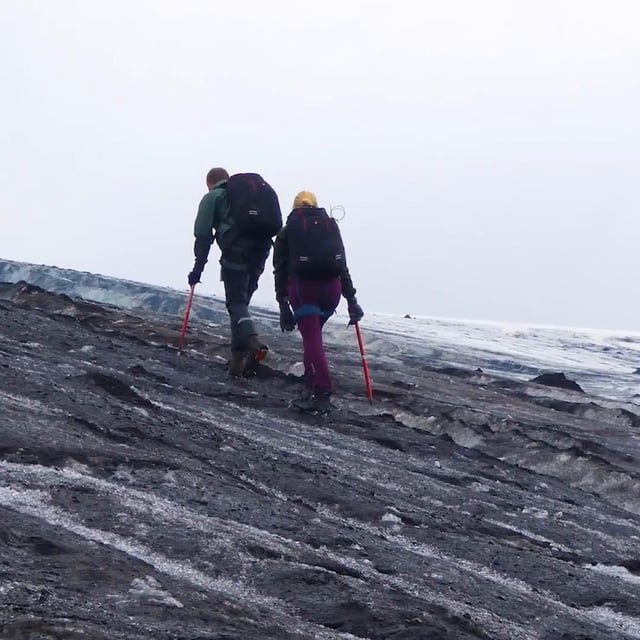
We pick the sites and timing with Synteny, design the posters from the film stills, and handle printing and placement.
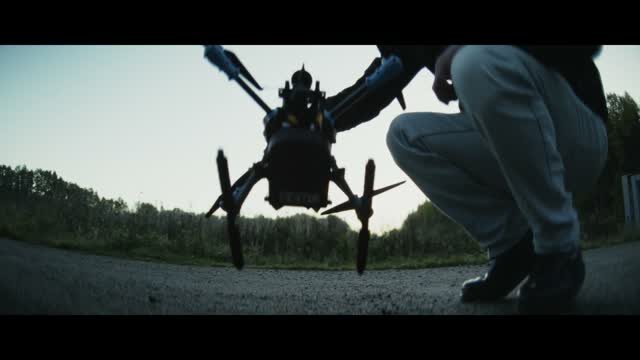
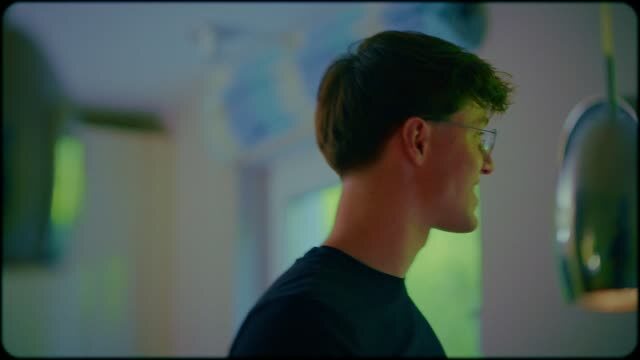
Frames from the films that set the tone: scientists shown fully and doing real work, labs lit with care, and the confidence of people too busy with the problem to perform.
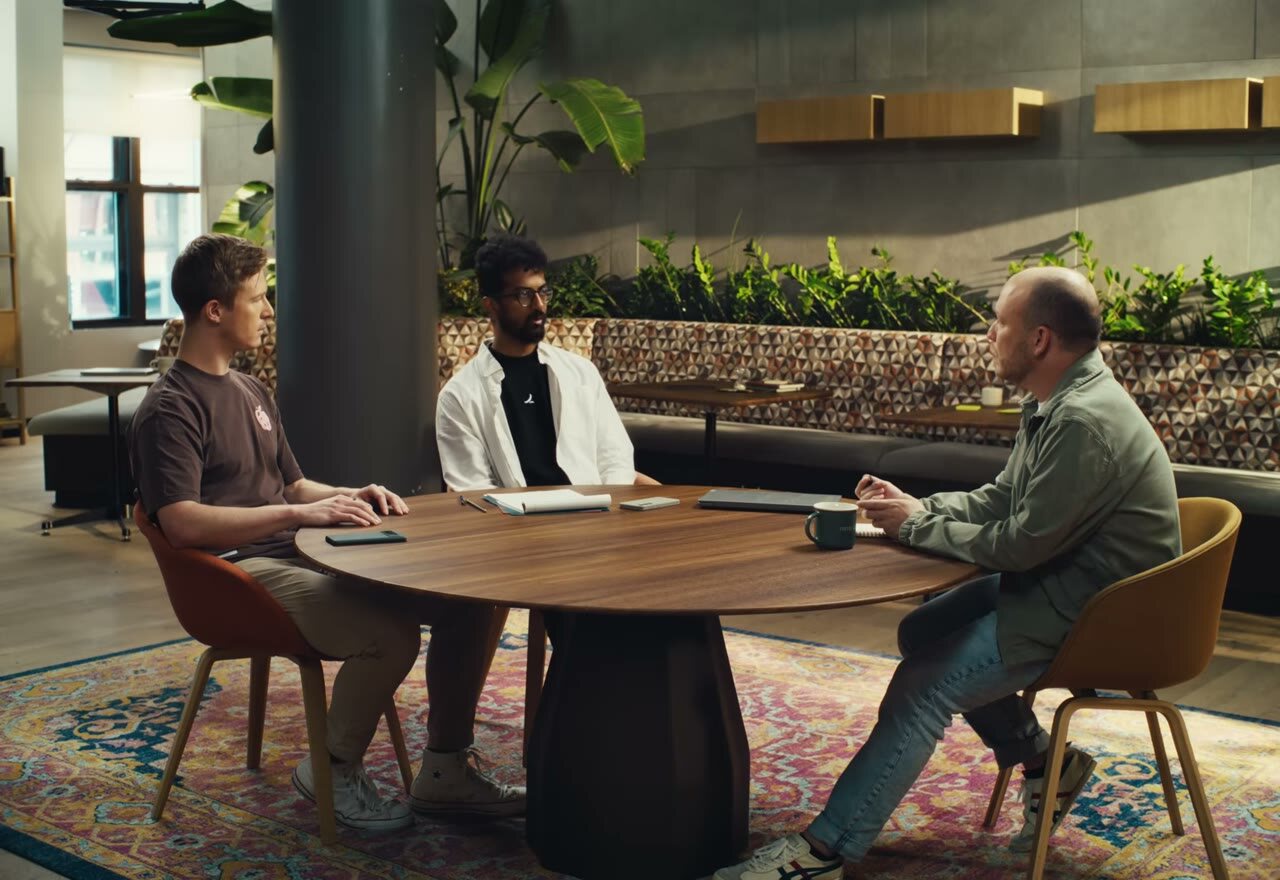
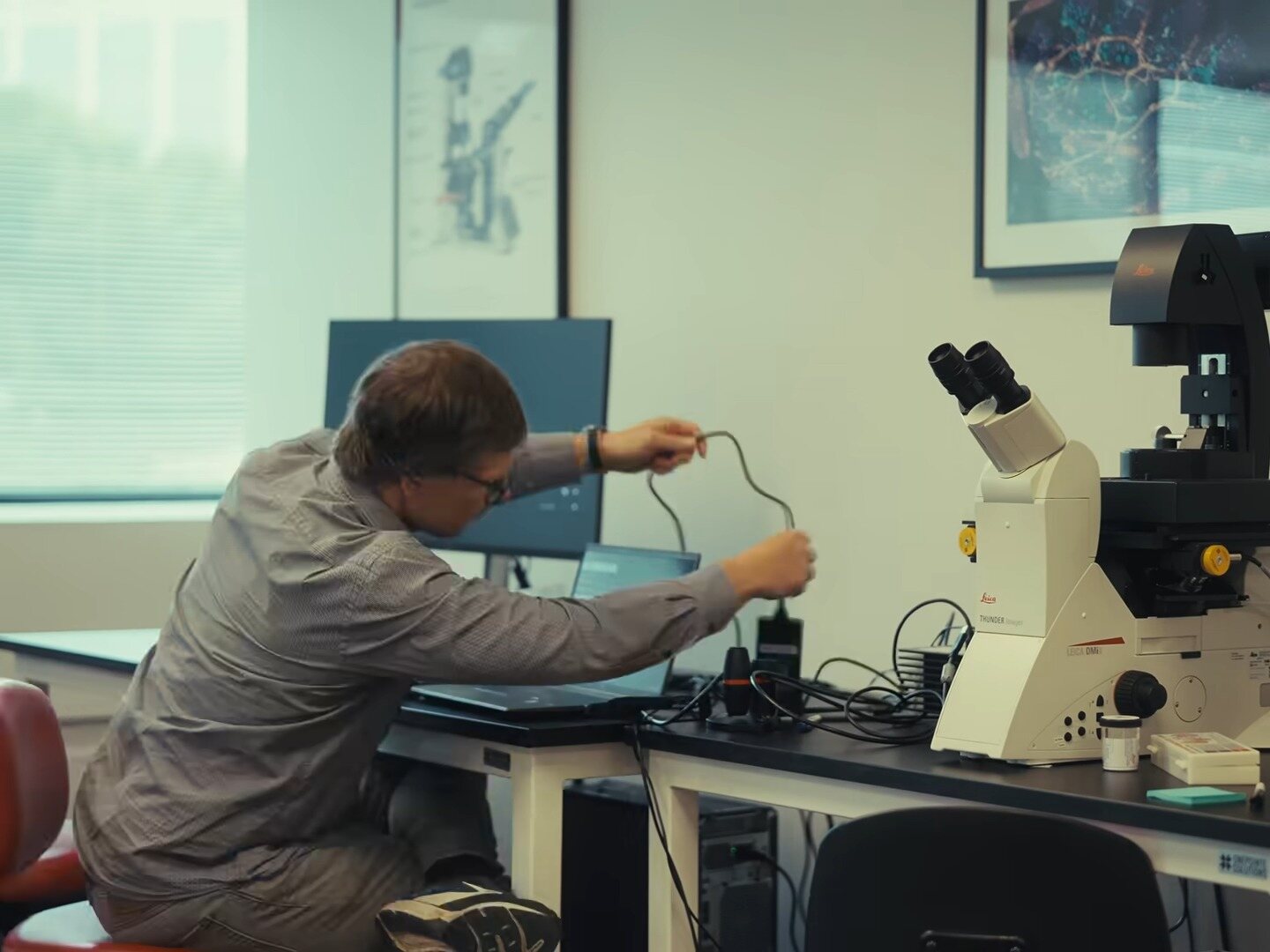
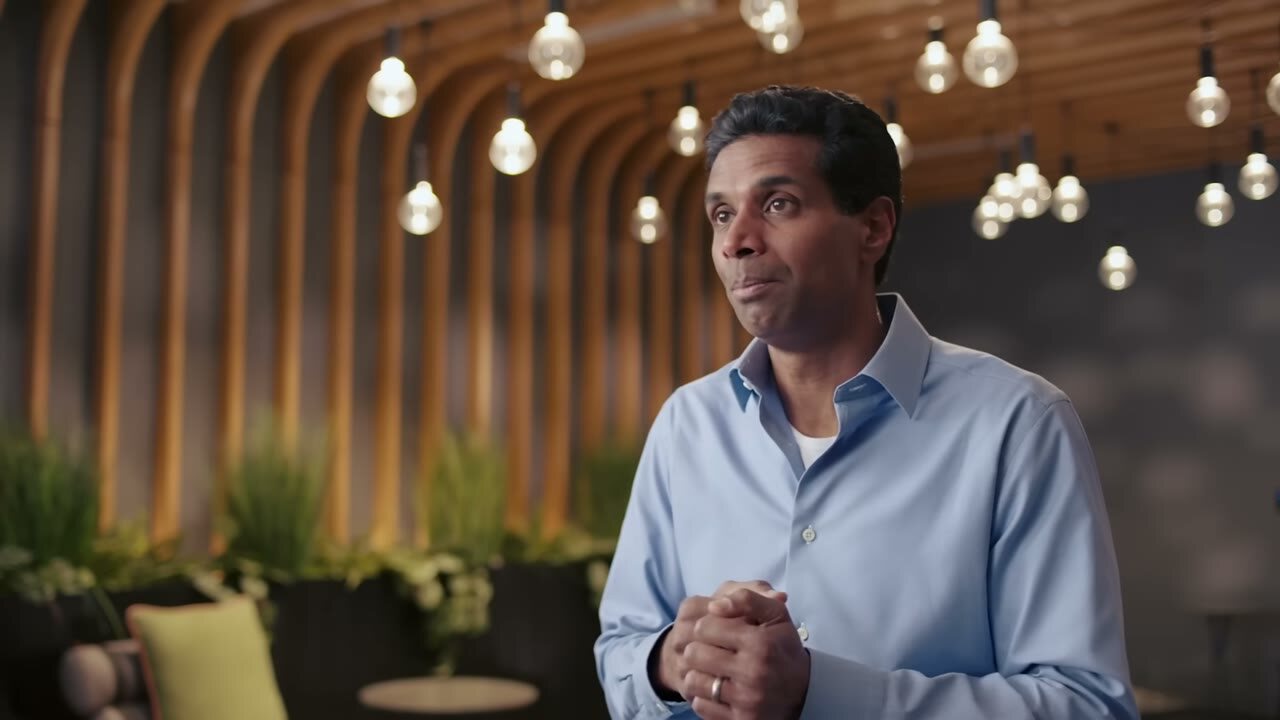
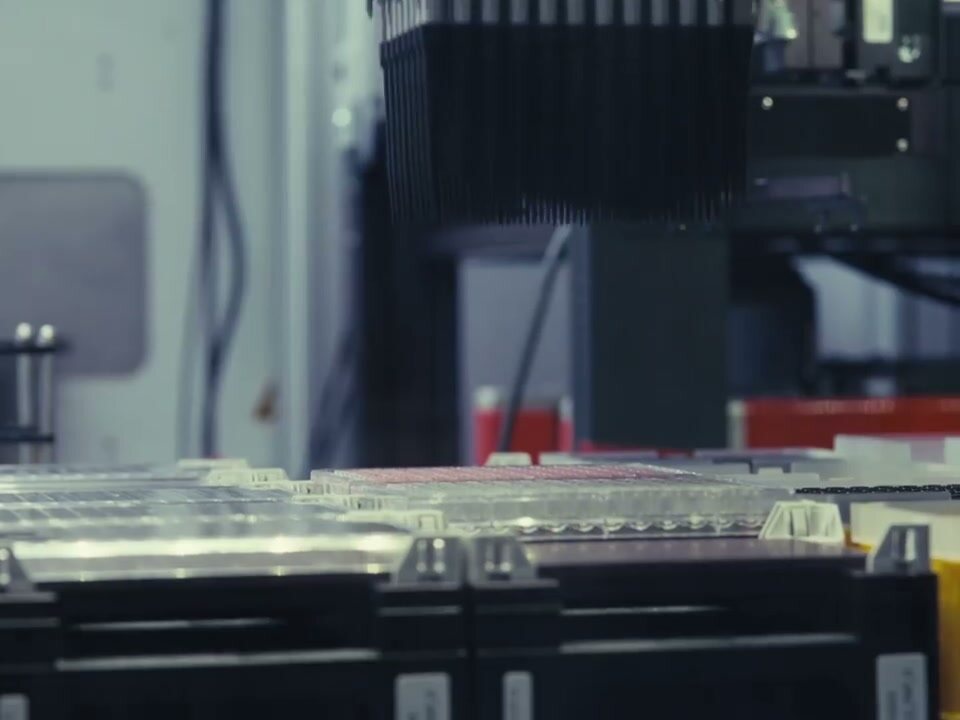
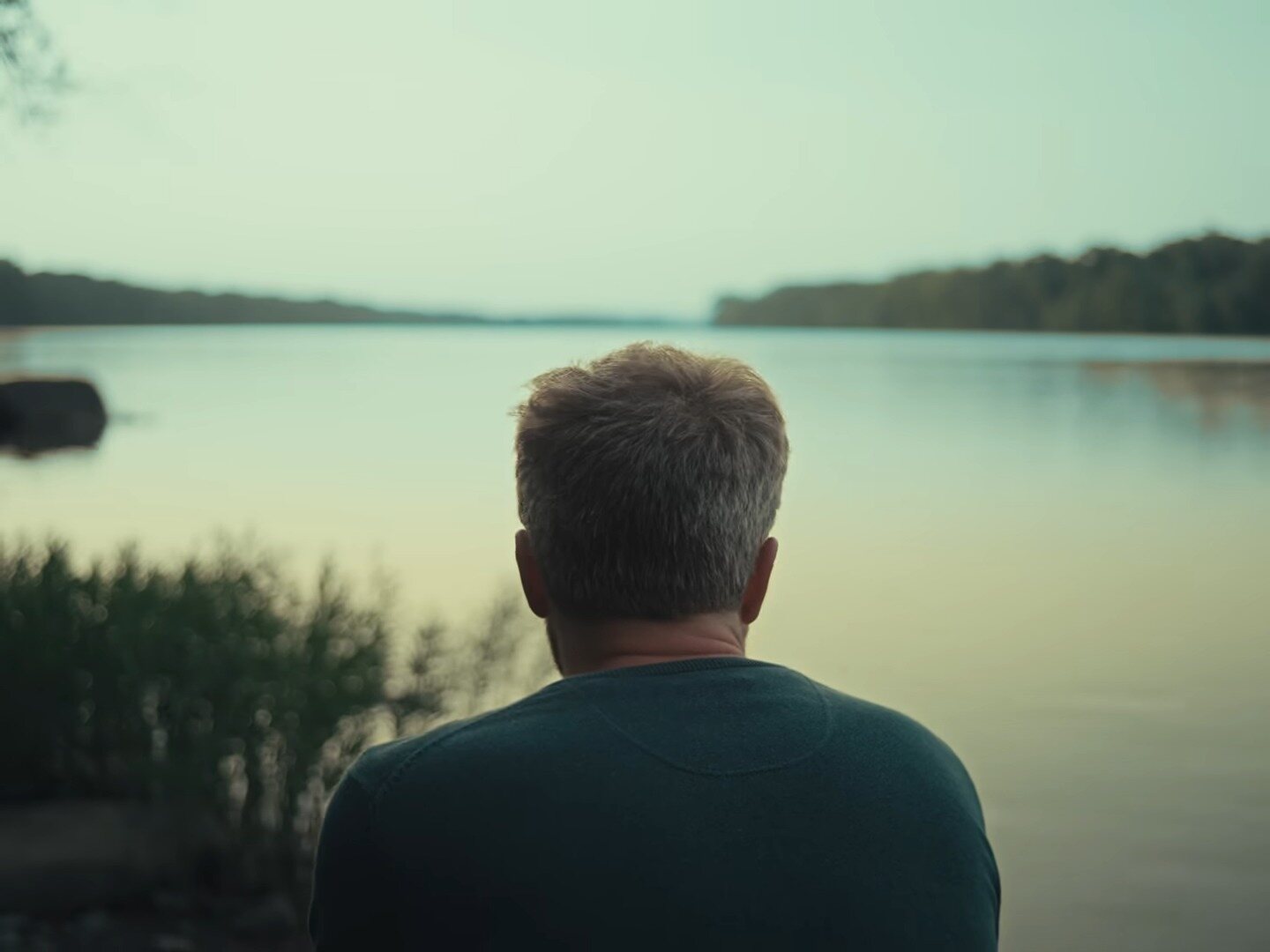
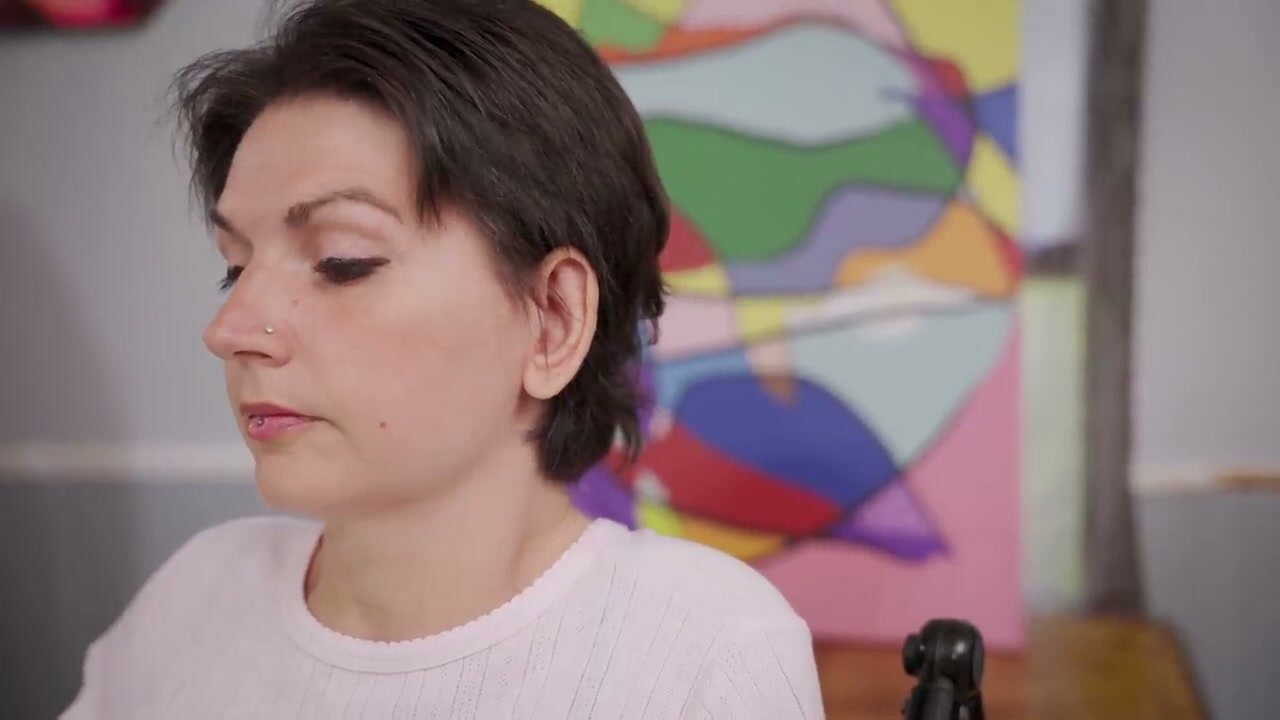
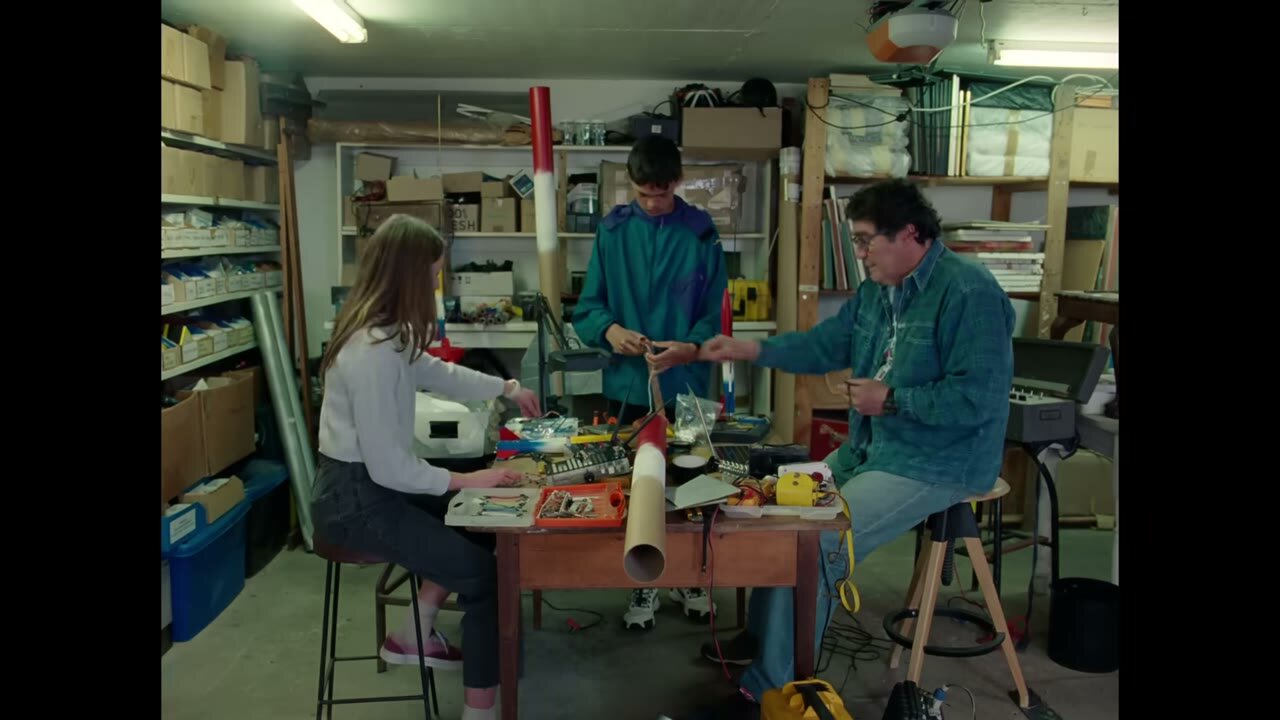
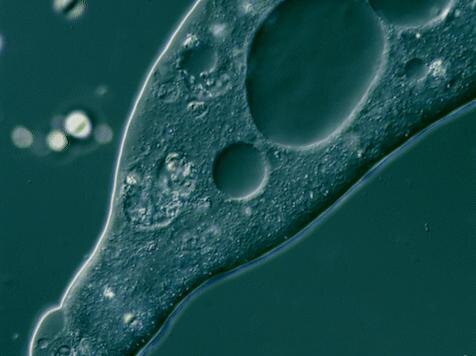
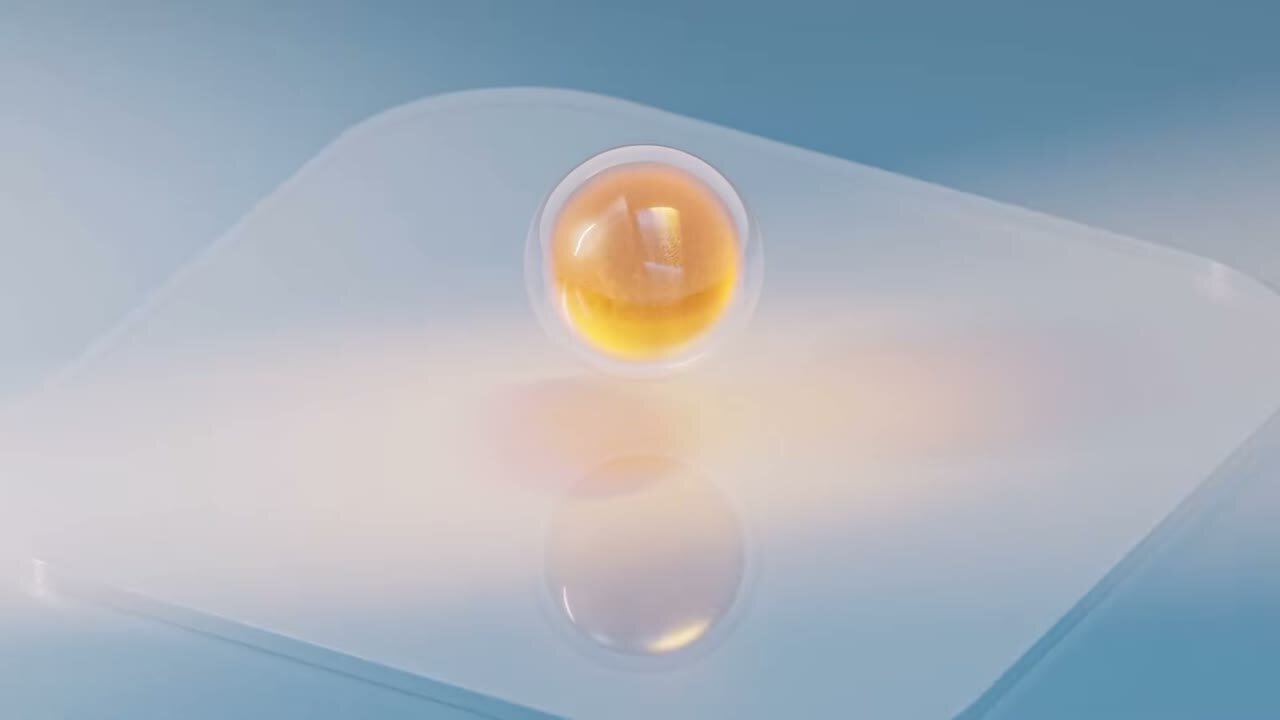
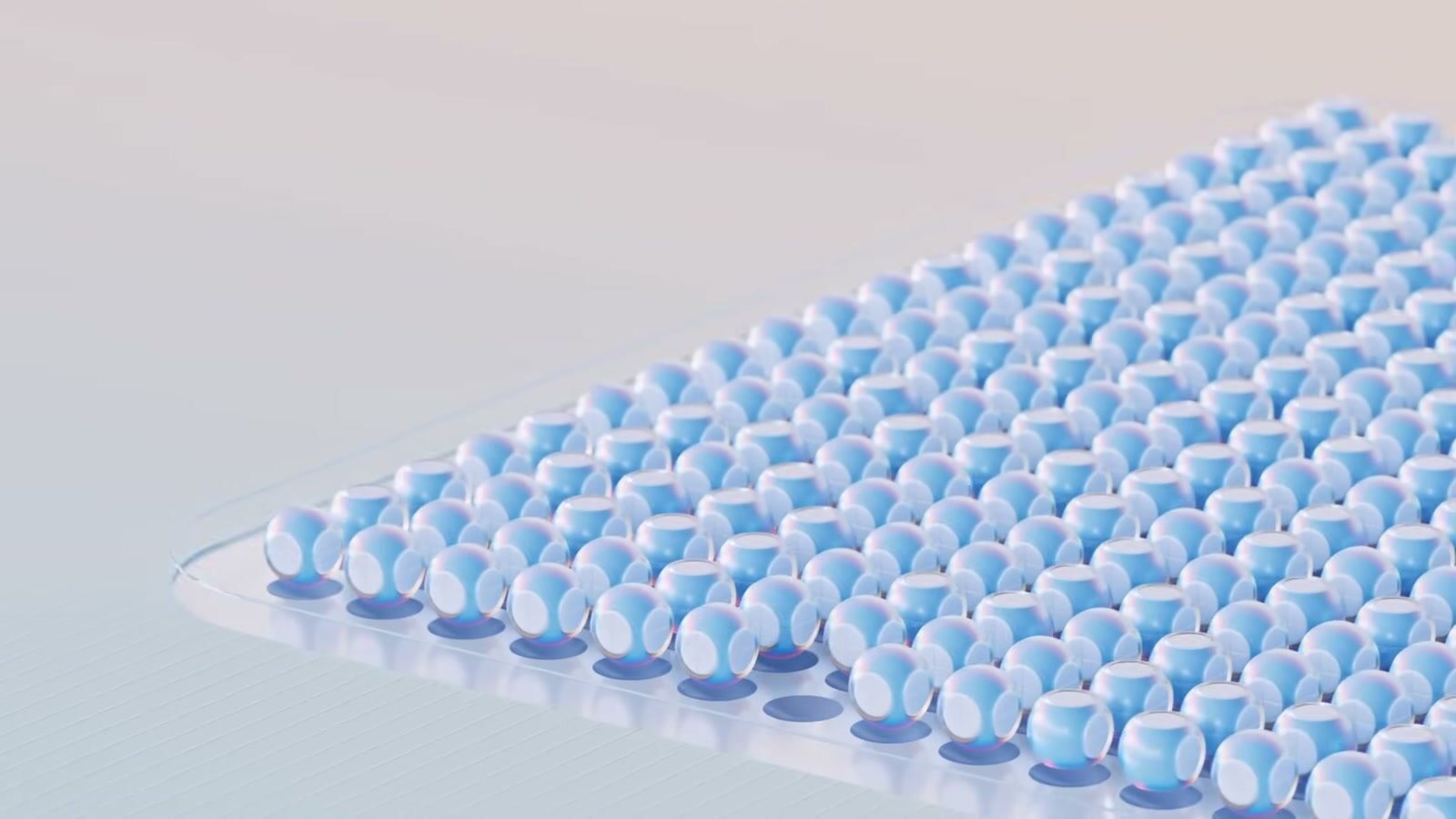
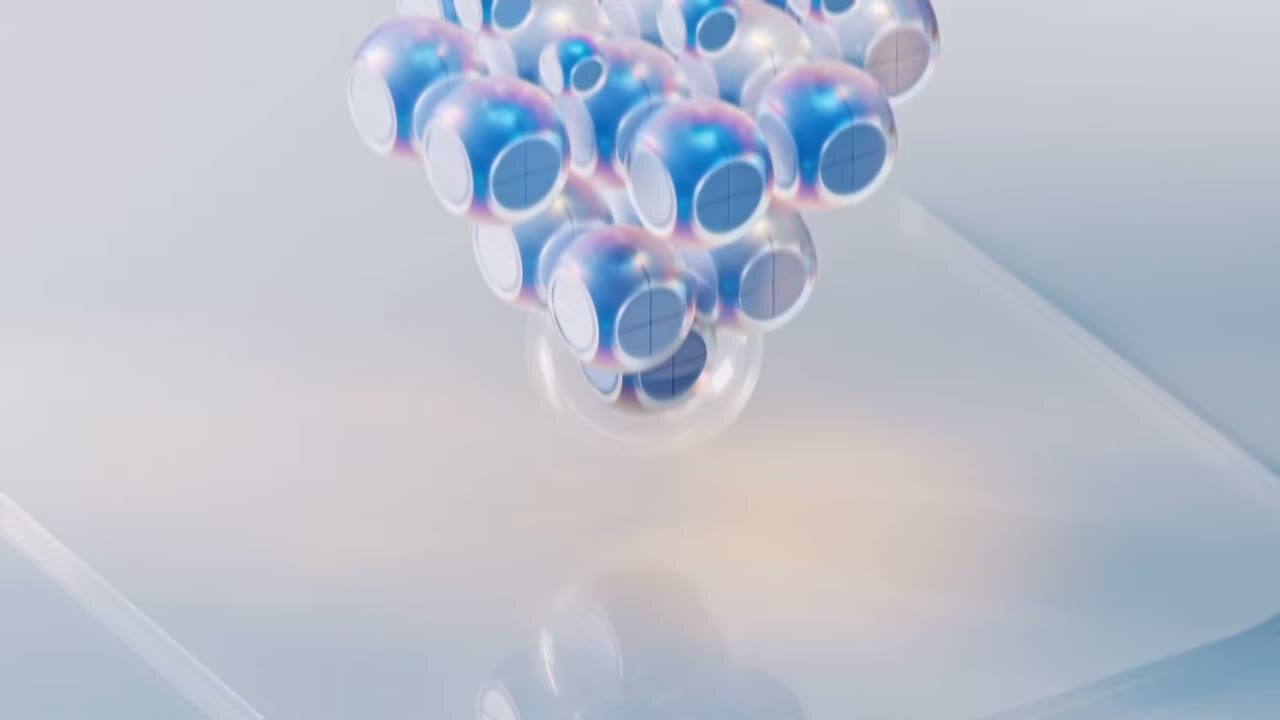
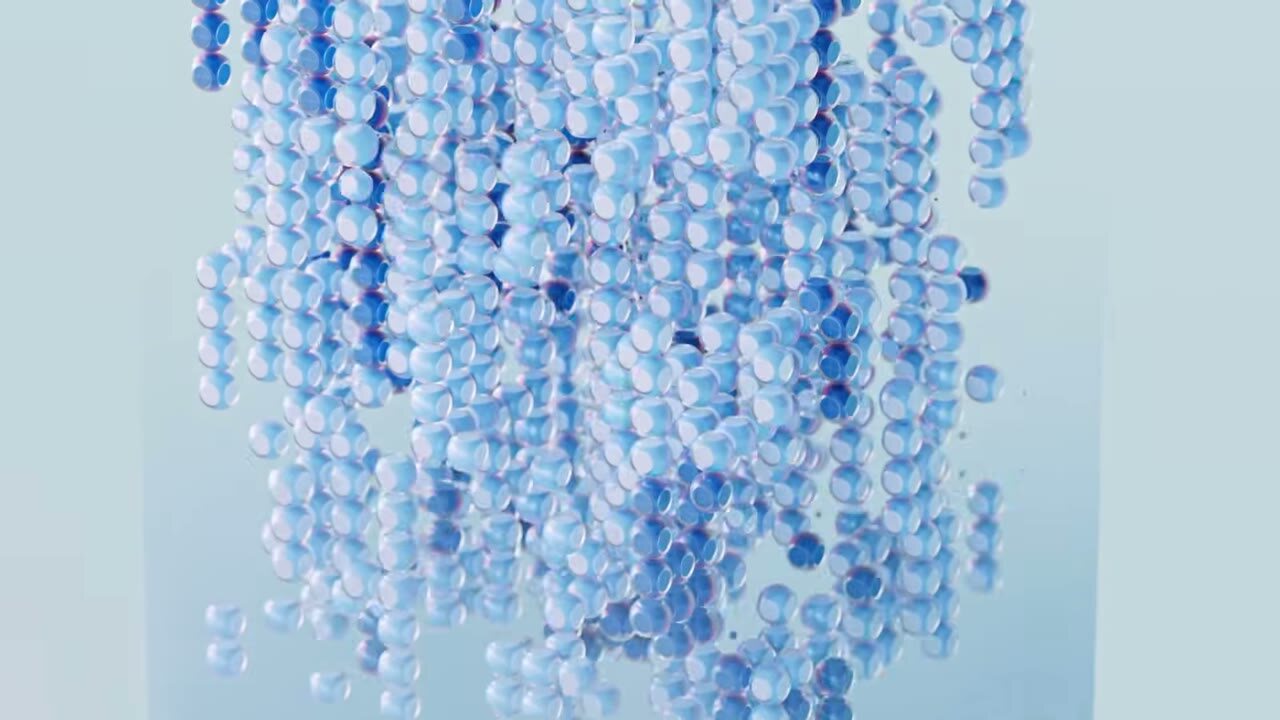
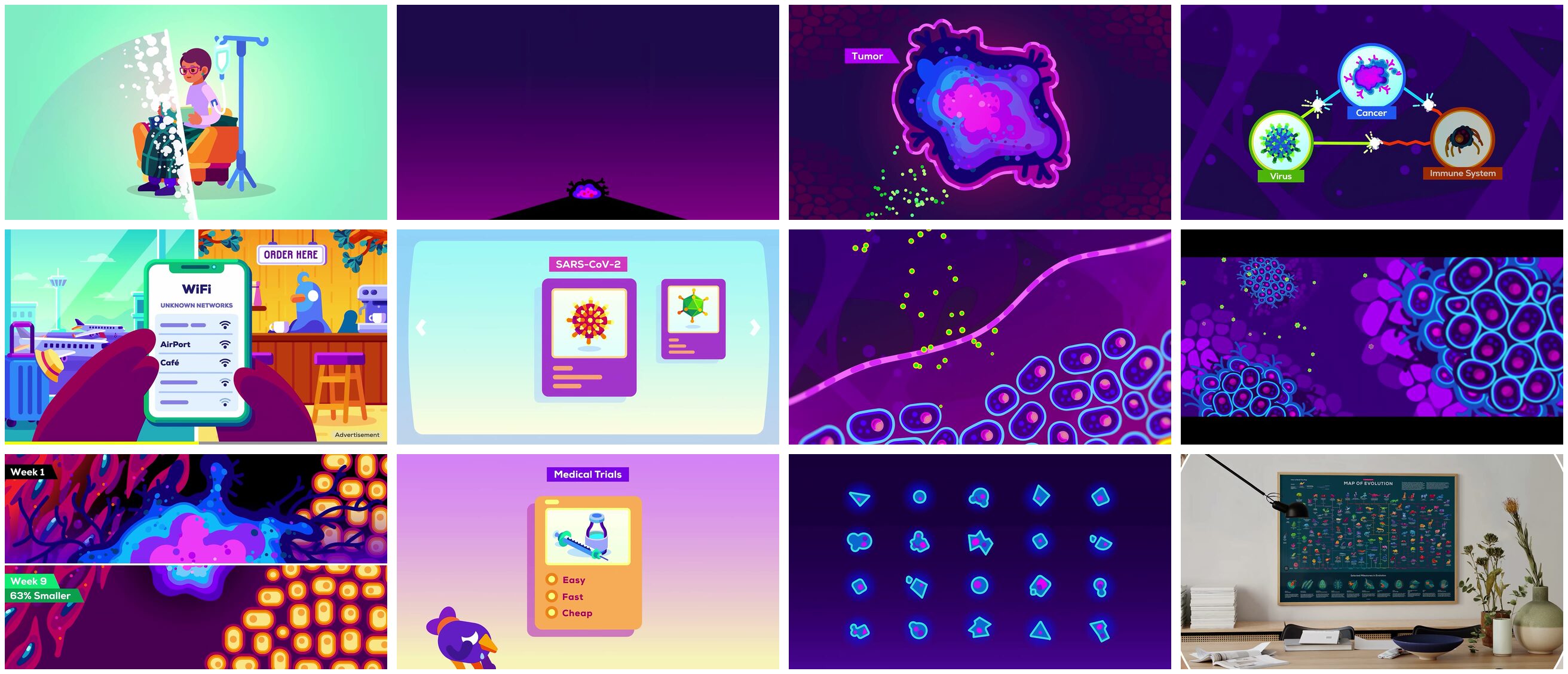
Each film has an abstract sequence in Synteny's palette: white ground, fluid movement, forms that stand on their own. Messy data goes in, clean predictions come out.


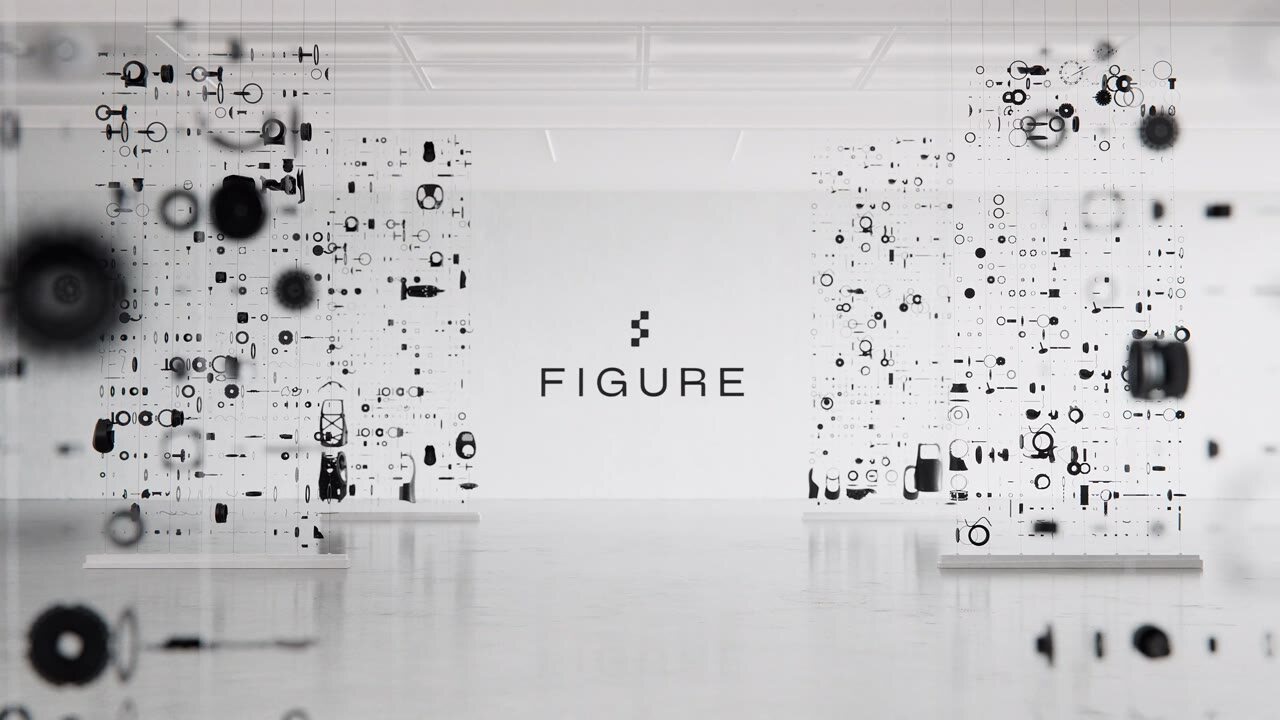
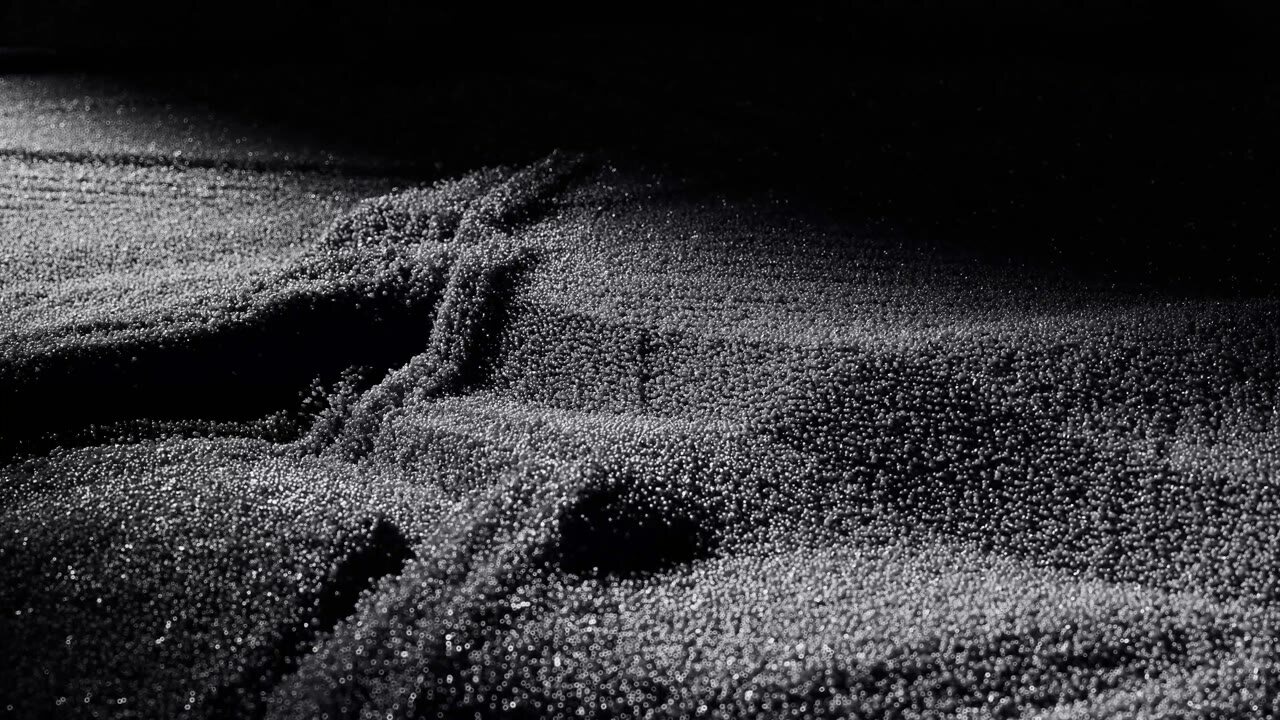
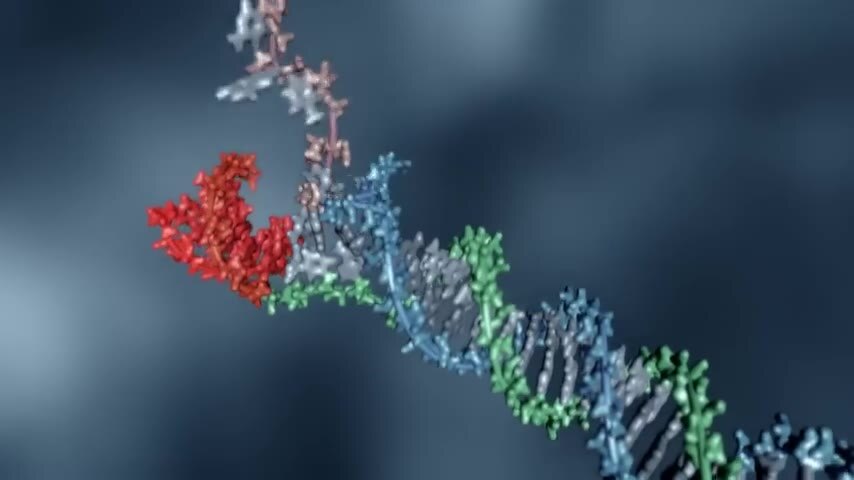
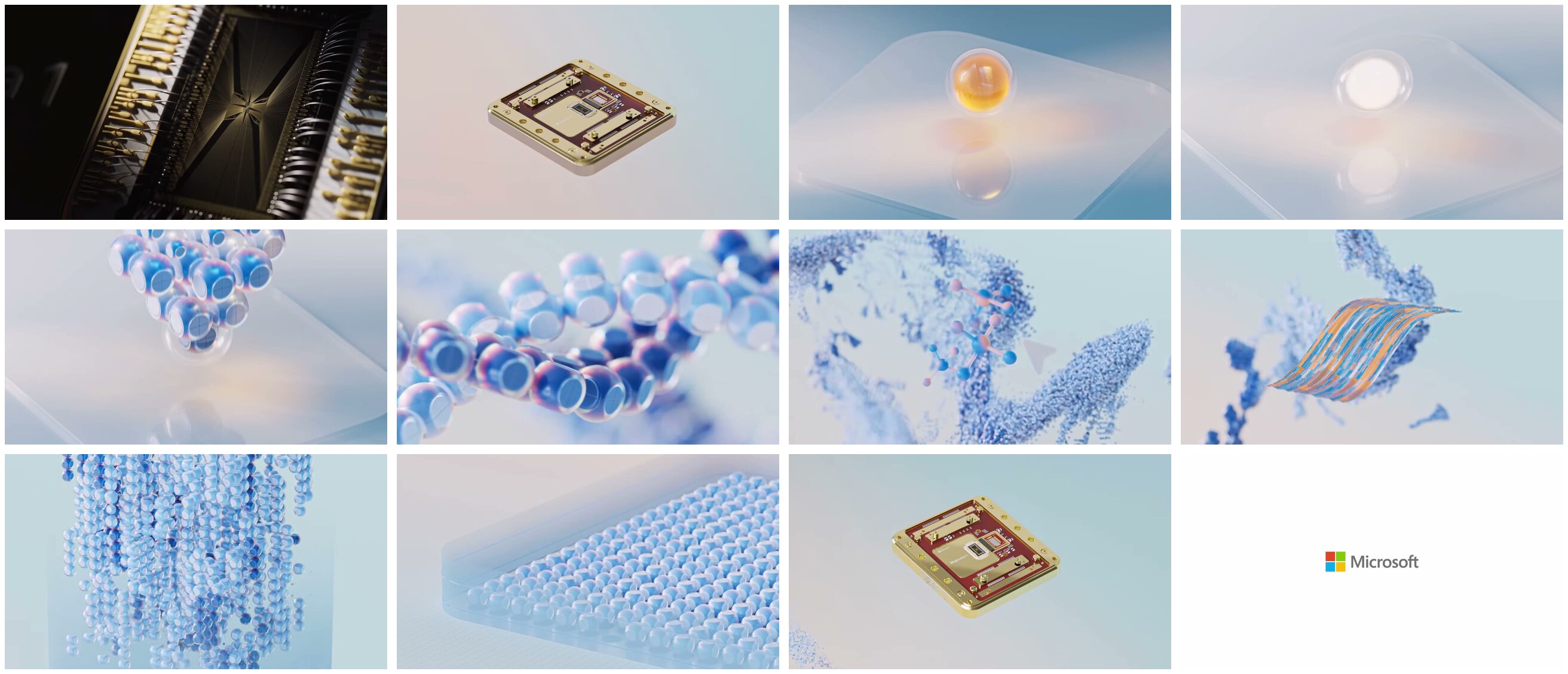
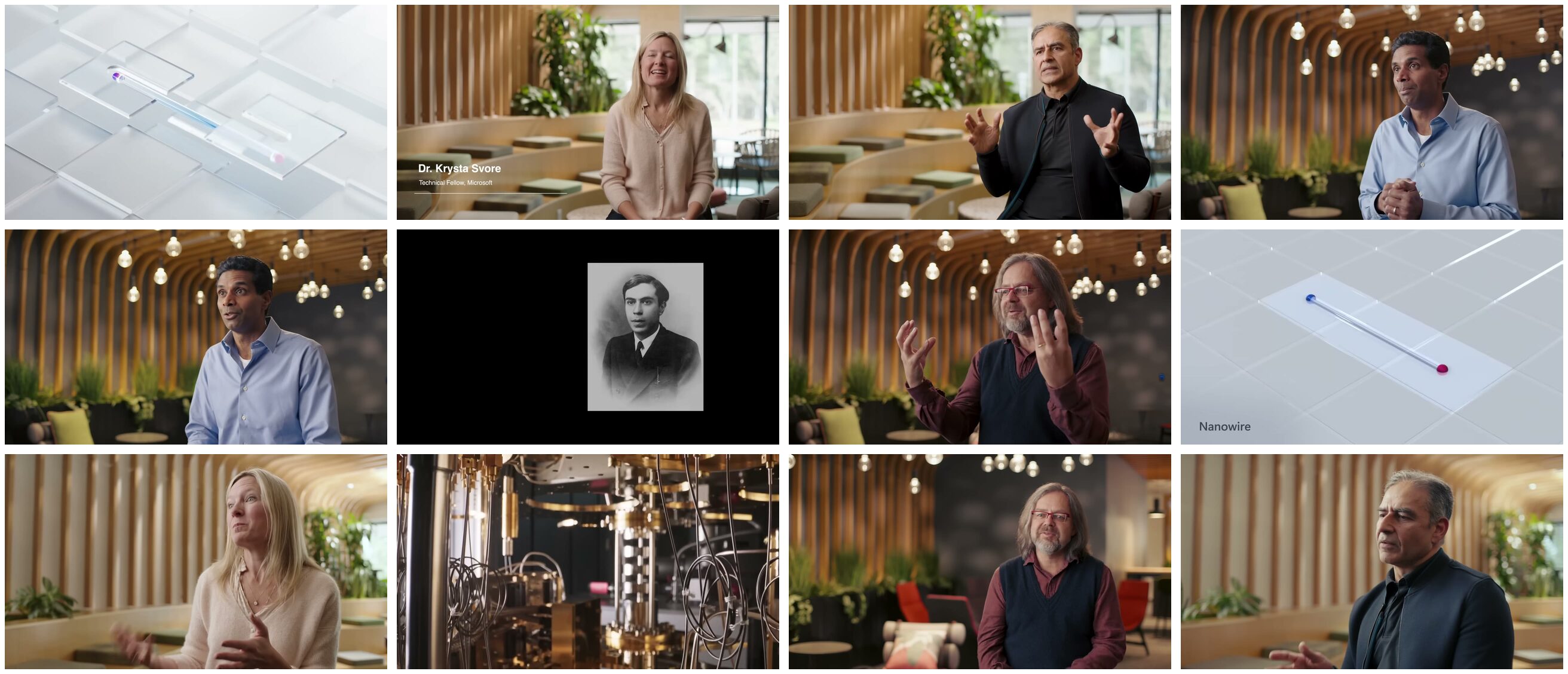
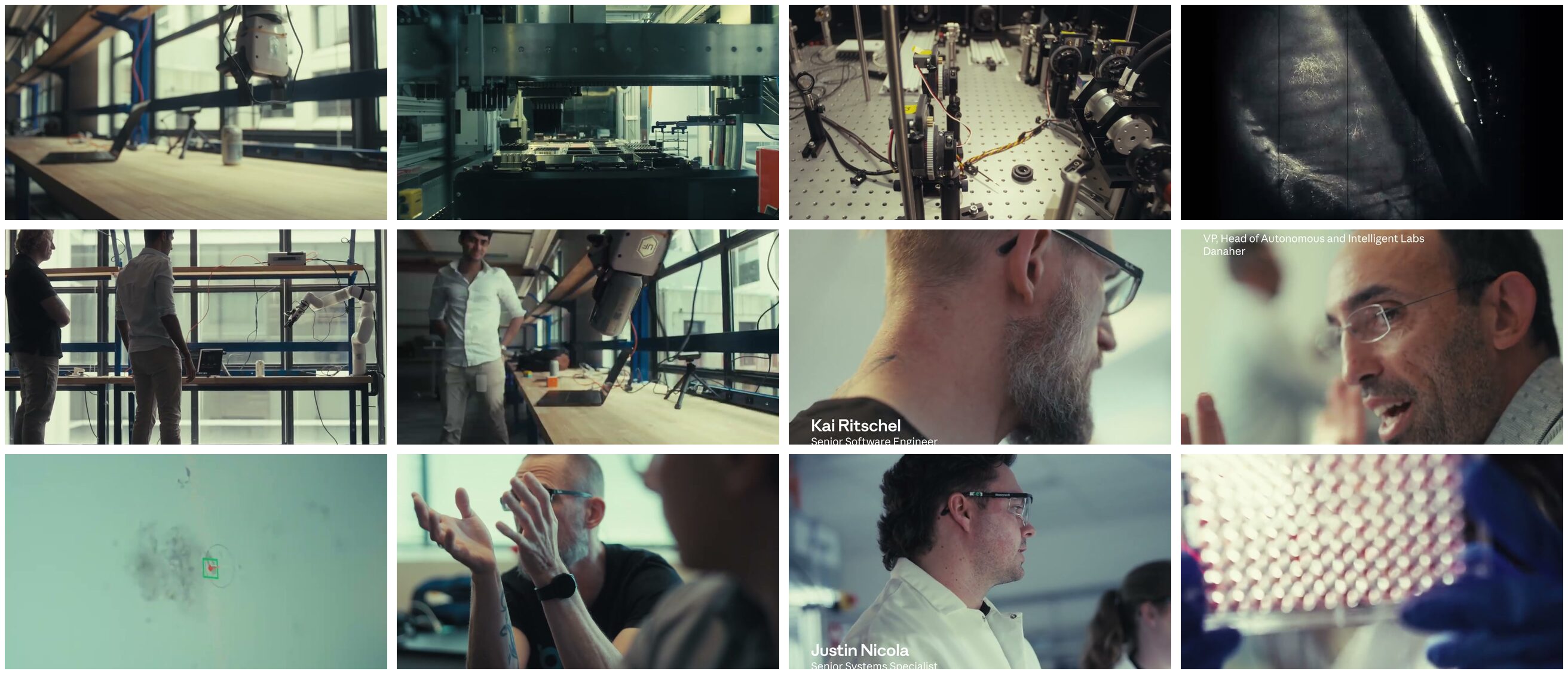
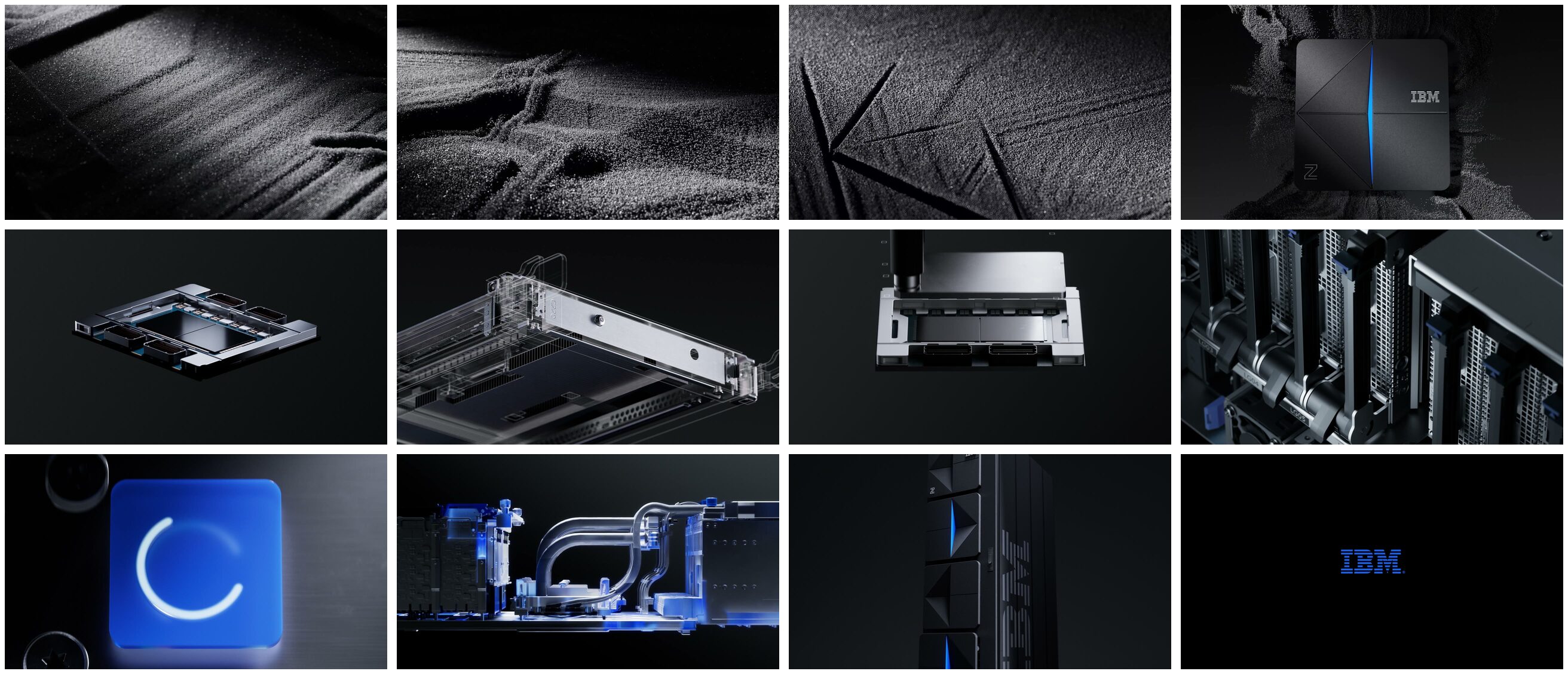
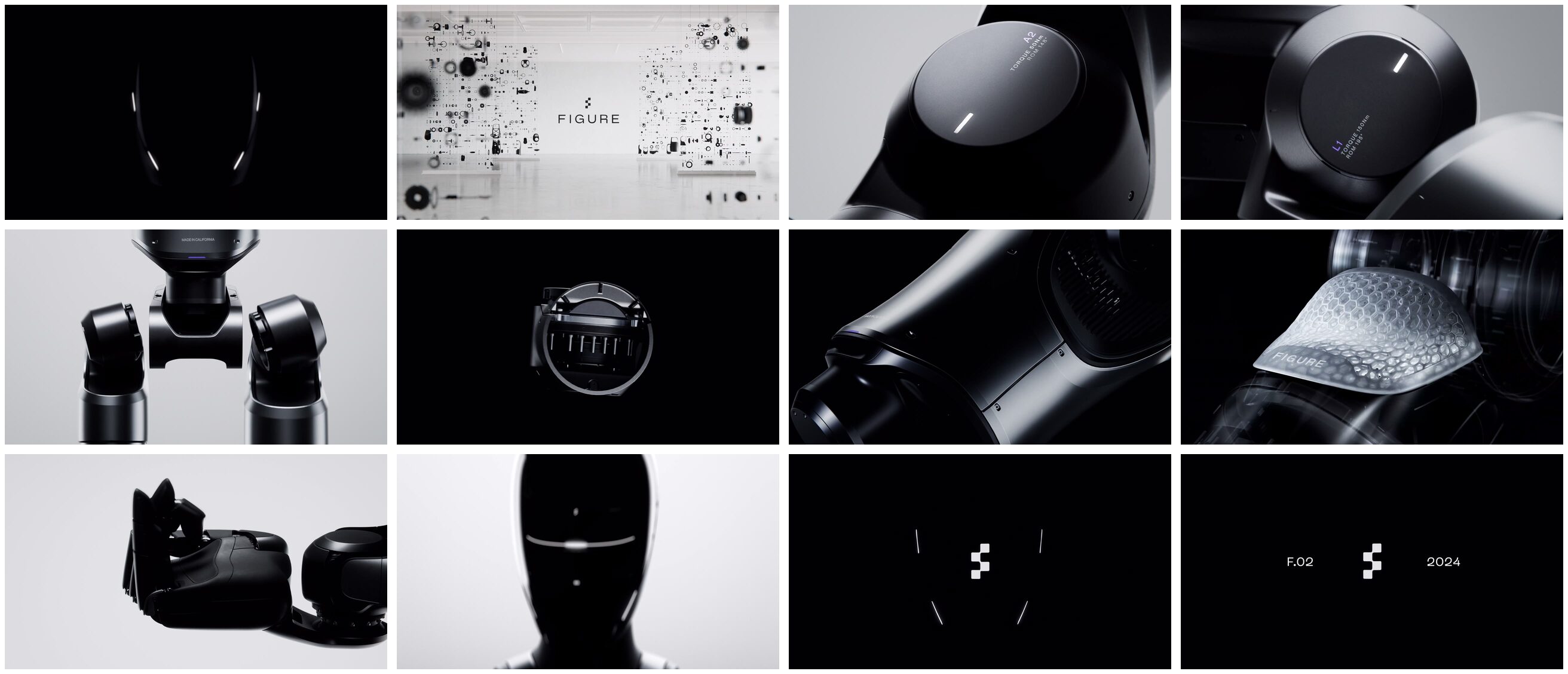
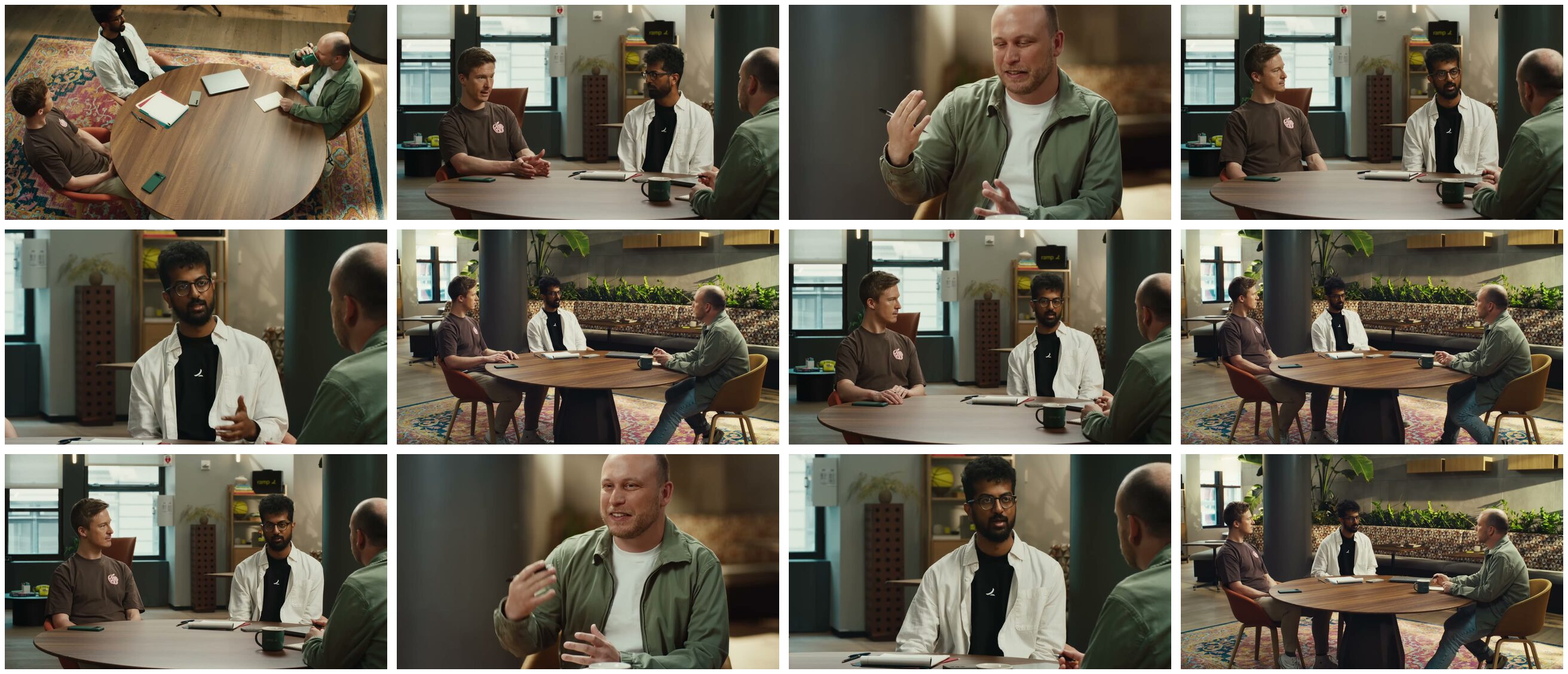
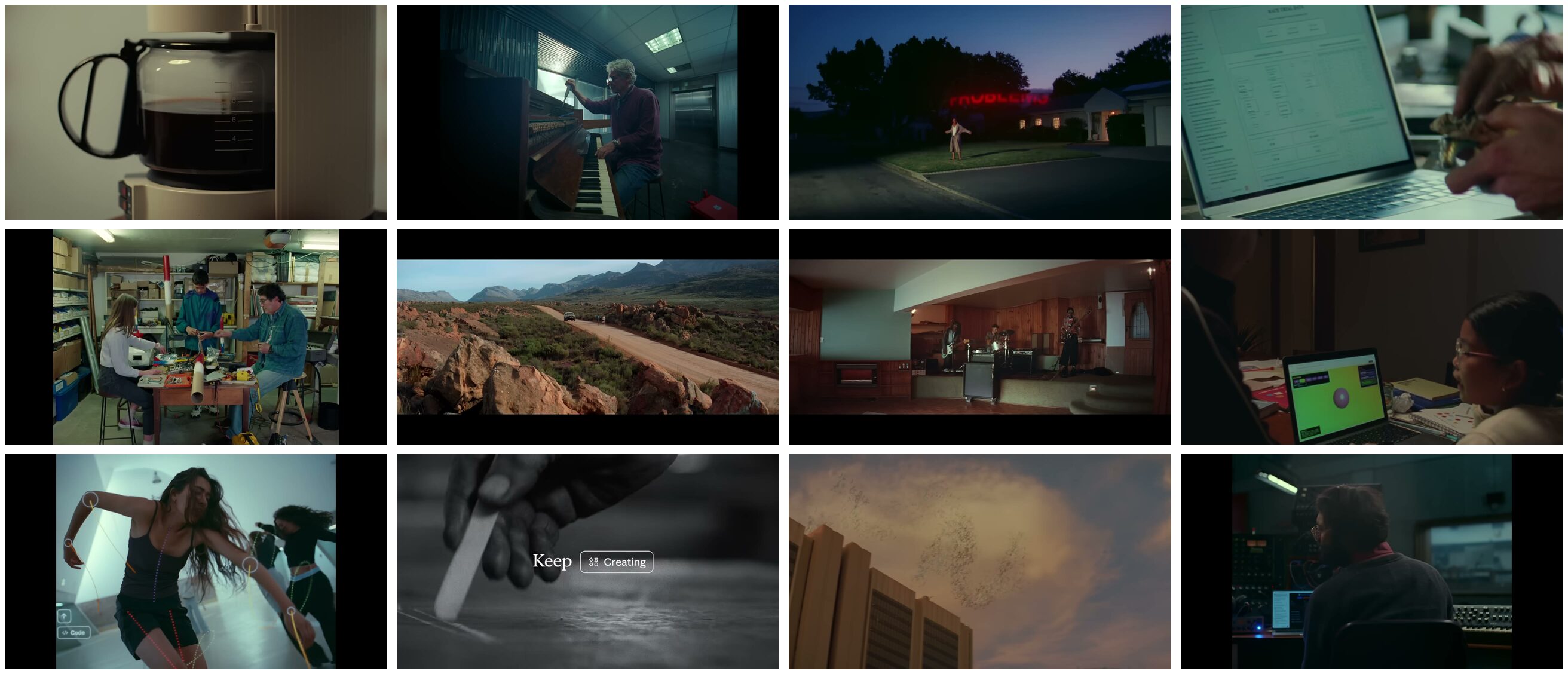
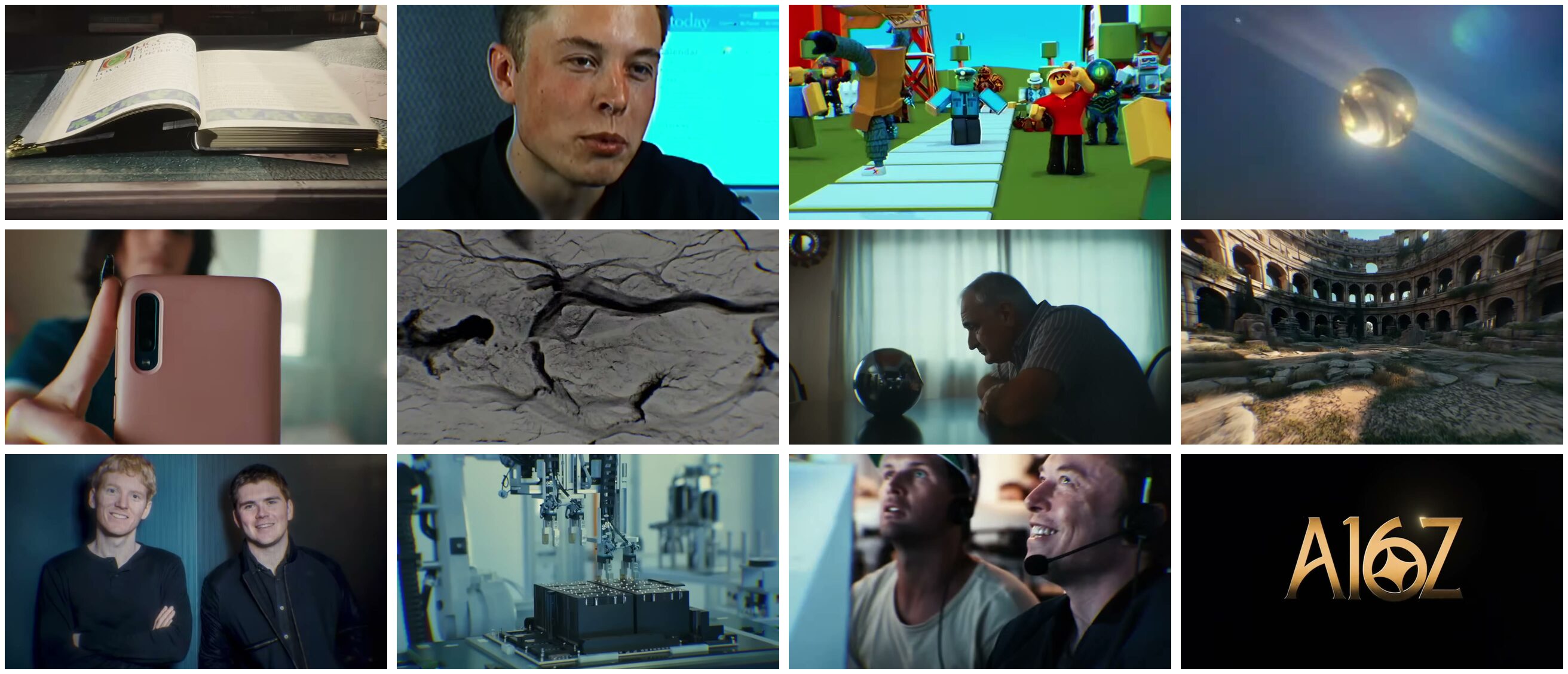
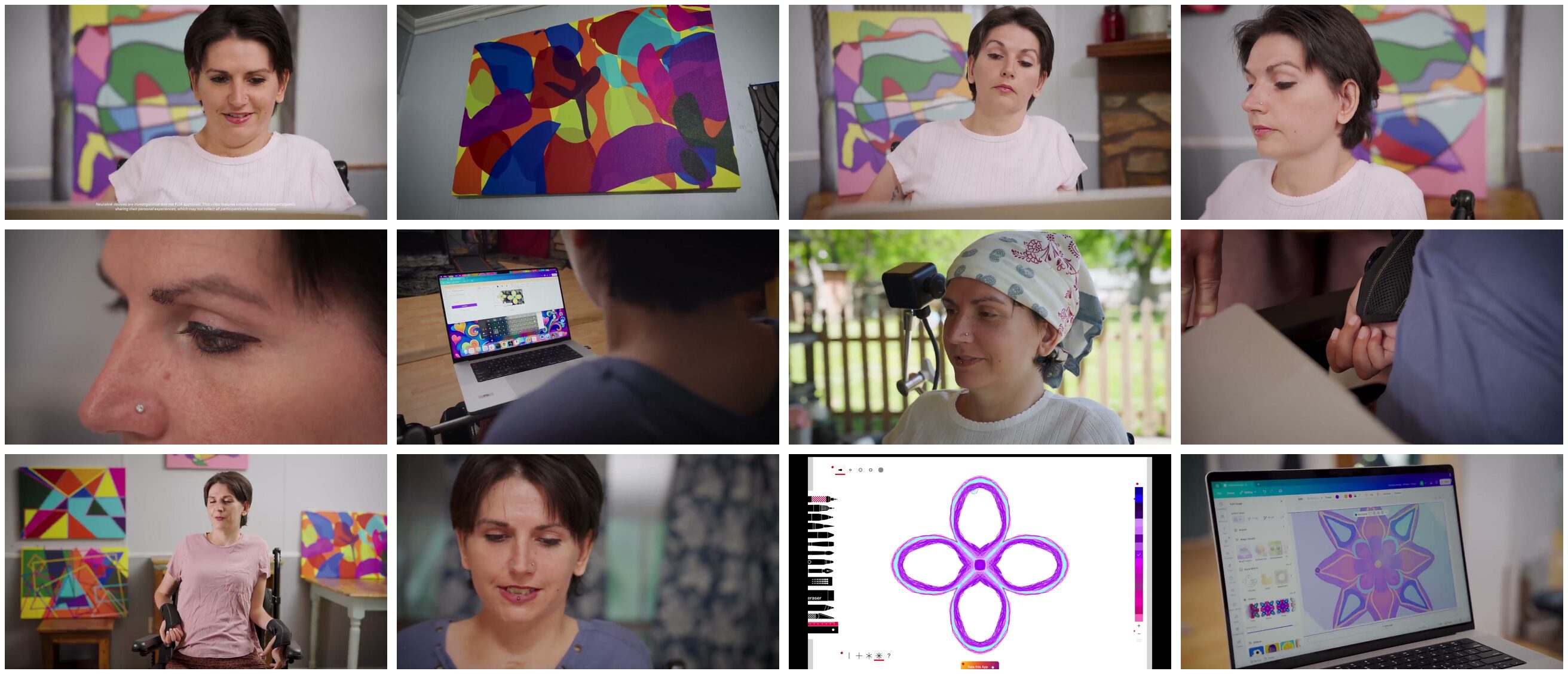
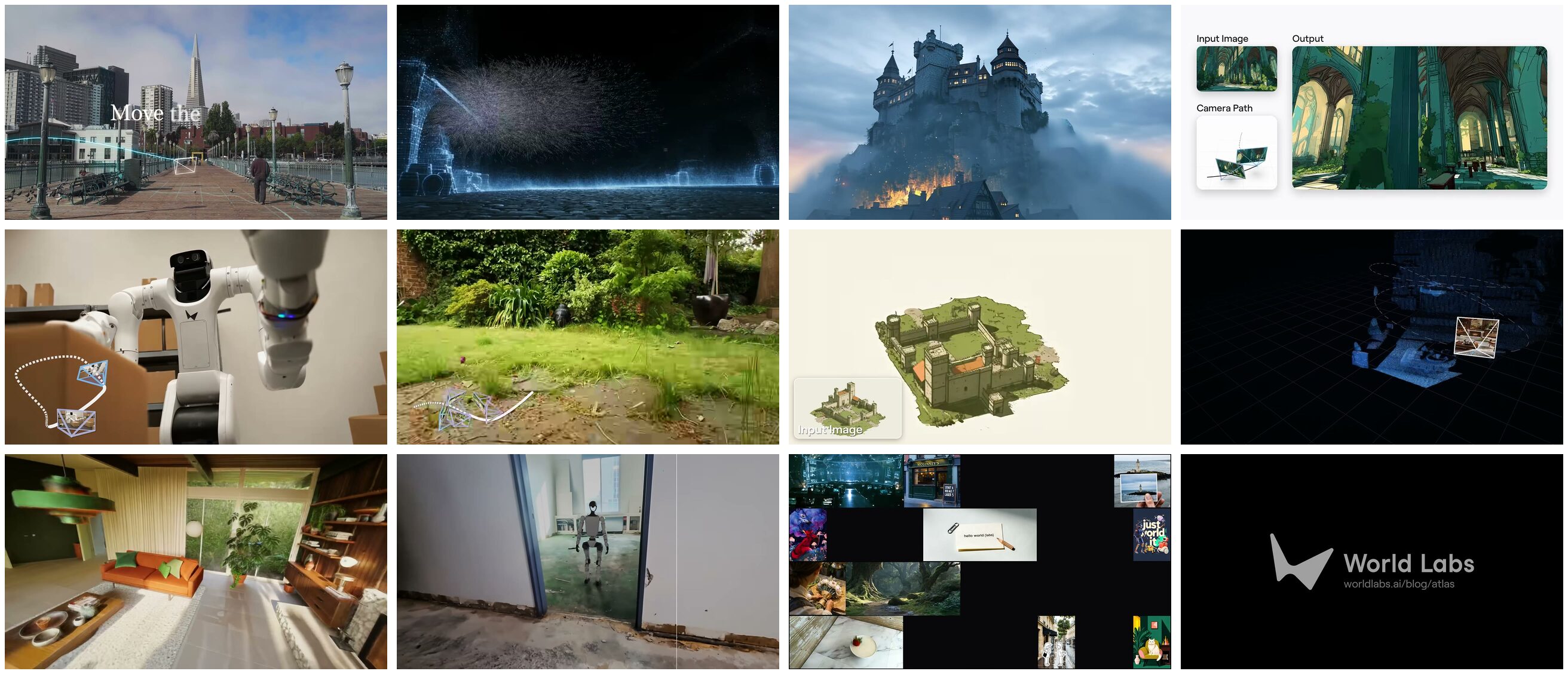
Two days in London bank the interviews and lab footage for all the films, so finished material is ready whenever Synteny publishes, hires or announces. In Proposal C, the next generation film also uses footage from a university challenge.
Long interviews with Neil, Lilly and the scientists behind each topic, the spine of every film.
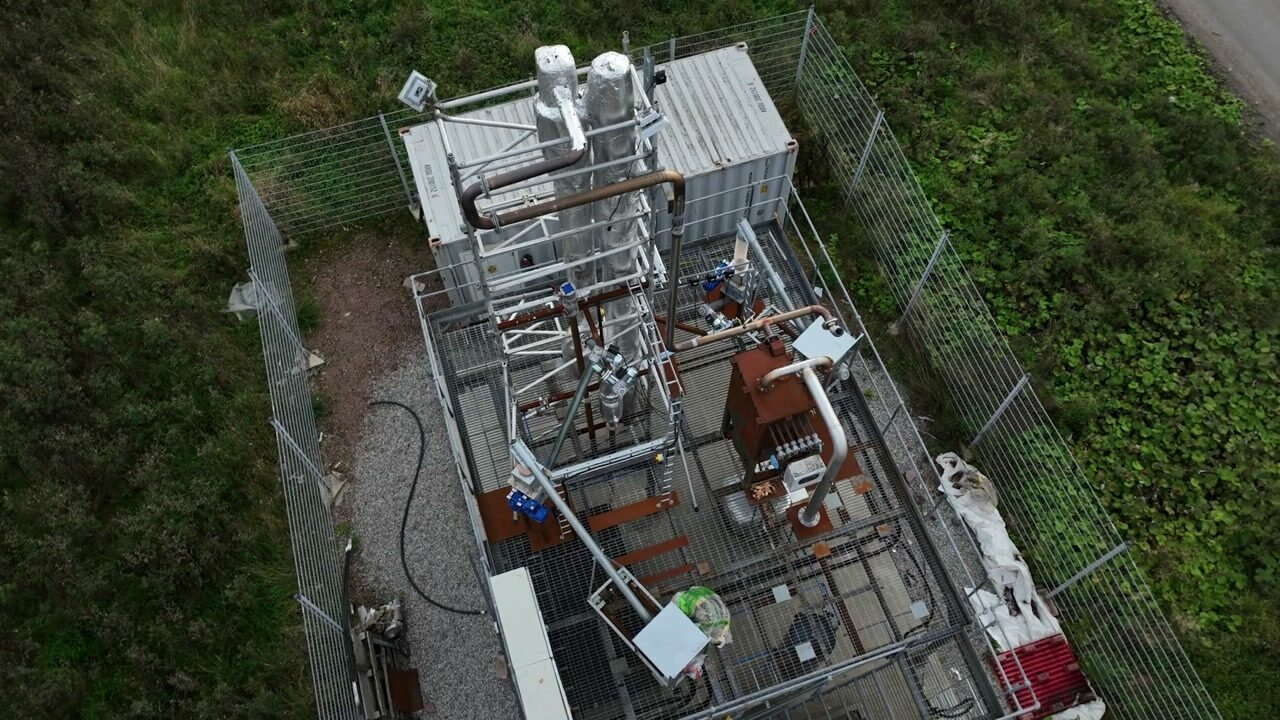
The Data Foundry at work, shot like a set. This footage carries every film.
Editing and animation in batches. Each film is checked by the scientist who owns the topic.
| Release rhythm | What goes out | Tied to |
|---|---|---|
| Every fortnight | A Substack post, with clips cut for social | New results, papers and lab notes |
| Every week | Scheduled posts and reposts on the official channels | The planned calendar and the field's news |
| Roughly monthly | A new film, with its longer cut | The post it comes from |
| Around big announcements | Adverts, posters and a matching film | Conferences, funding news, hiring rounds |
Dates follow Synteny's calendar. The rhythm is planned and kept.
Crusoe filmed a customer story in Synteny's lab. Platform companies build standing by being seen with the customers who rely on them.
Crusoe builds standing by partnering with its customers in public. Nebius does the same on Reddit, with films about Basecamp Research and NYBAI.
The same with its own partners, customers and investors: films and posts made together, with Synteny as the authority on this part of biology.
Public links with the right companies, through joint films, posts and podcasts. Those links tend to become working relationships.
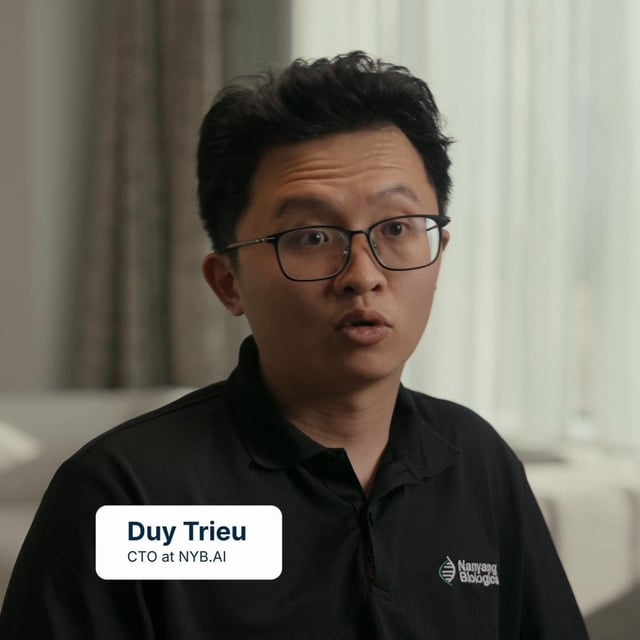
The Crusoe film is not out yet. When it is, we release a Synteny cut alongside it, linked to a post on the work.
The people Synteny wants to hire are students today. Working with them on real problems is the most credible recruiting film there is.
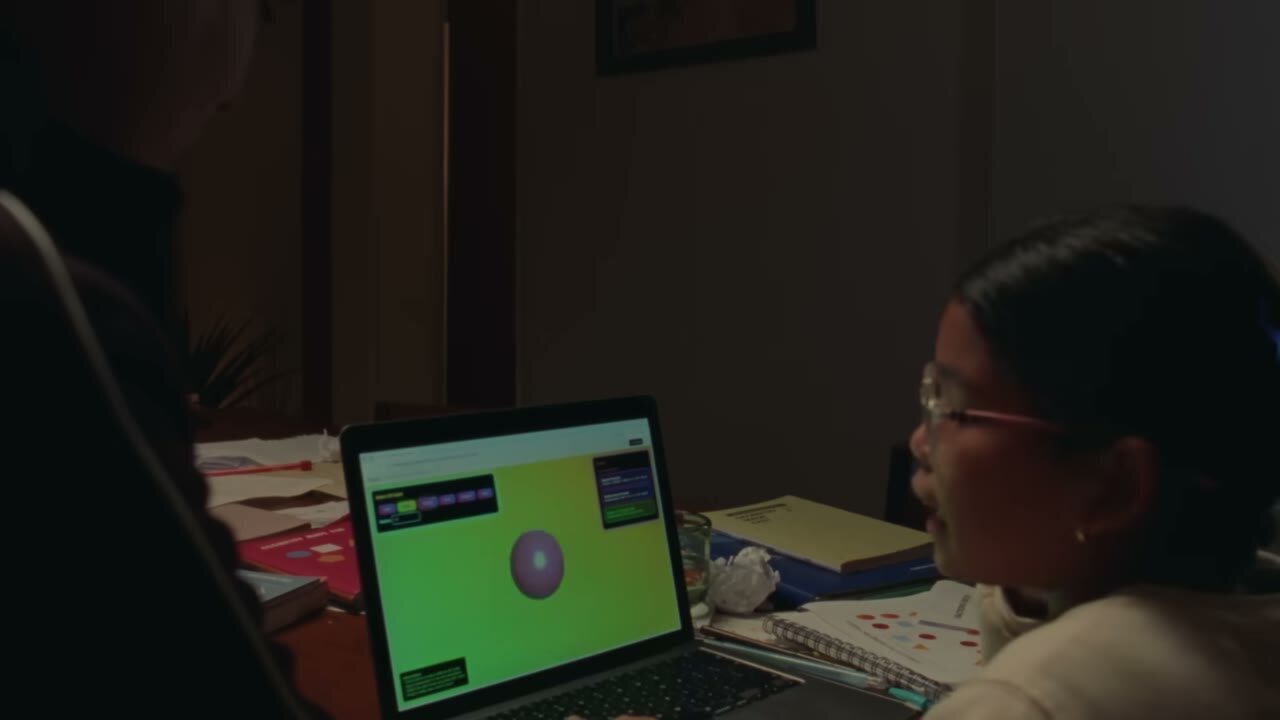
For example, HackEurope. Europe's largest student hackathon: 1,000 students in Dublin, Paris and Stockholm, February 2026, backed by Anthropic, Google DeepMind and Stripe, with Crusoe as an anchor sponsor. Solvent made its official film (solvent.studio/portfolio).
We plan the challenge with Synteny, manage the partners and bring in specialists, from event producers to editors. Release timing follows the films and the Substack, so the challenge becomes part of the same story.
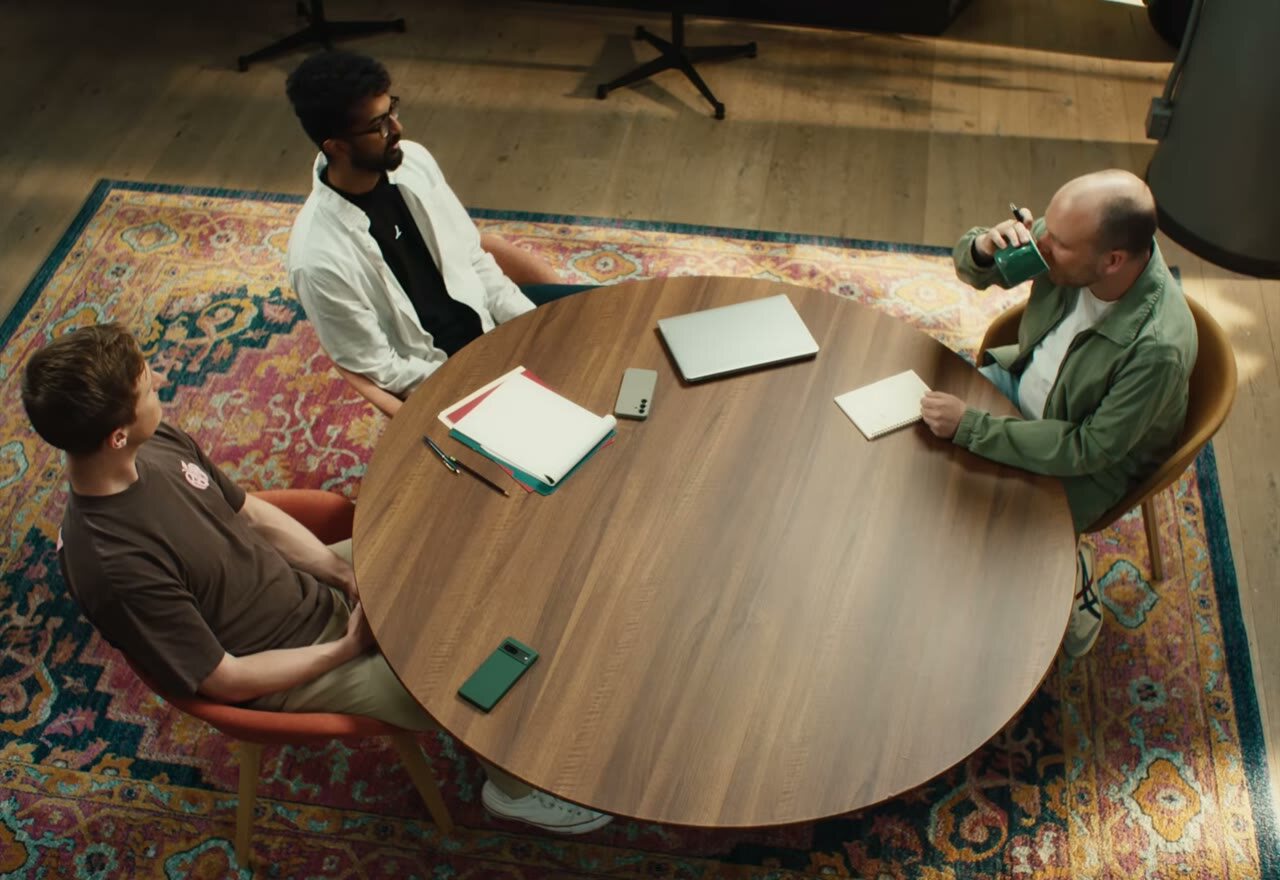
Every proposal includes the films and the wider marketing plan. B and C add reach and authority on top. Once Synteny picks one, we put a scope, timeline and fee to it.
The films, the Substack and the official channels, run on a steady calendar.
For: a consistent public voice from the first month.
Everything in A, taken to the people Synteny wants to reach, with the scientists visible under their own names.
For: pharma teams and candidates knowing the names.
Everything in B, with partners and universities alongside.
For: becoming the name the field associates with this work.
Three founders, on it from start to finish, with specialists from our network brought in for each job.
Your point of contact, responsible for delivery. Ten years directing documentary.
Leads the marketing plan, positioning and the release calendar.
Leads the films, the animation and the look across every channel.
Pick Proposal A, B or C, or tell us which parts matter most, and we will come back with a scope, dates and a fee.